
Battery-powered goods from China: where shipping reality shows up
Published: 18 February 2026
In practice, even when people know export is a stage and not just a formality, they often oversimplify what it means.
Lithium packs, e-scooters, electronics, gadgets, and other battery-powered items are often treated as restricted cargo or DG (Dangerous Goods). That can mean additional handling, special packaging, and specific paperwork.
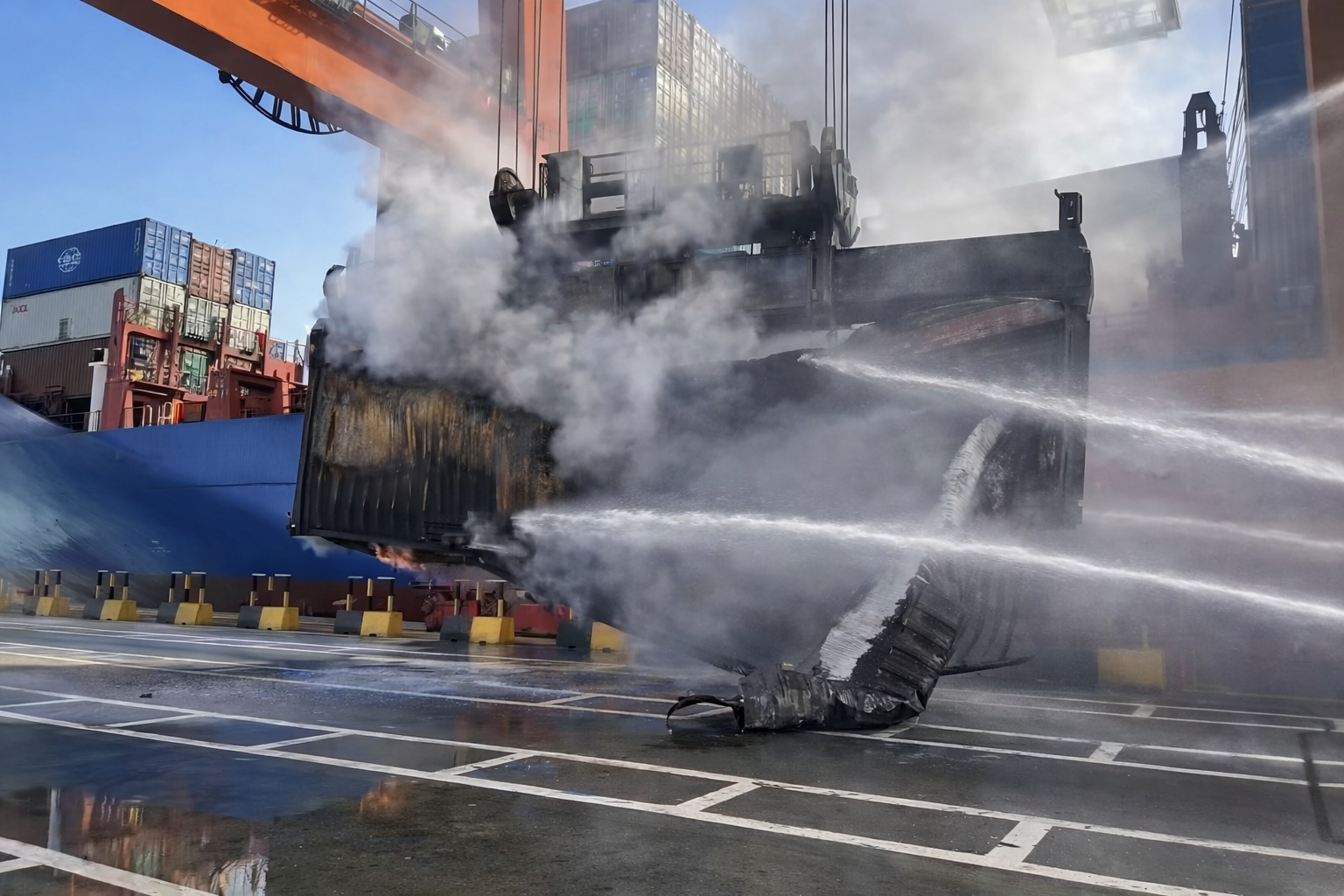
Forwarders and carriers don’t look at your product the way a buyer does (“it’s just an e-scooter”). They look at risk and compliance. Lithium batteries are regulated under international transport rules and are commonly treated as Class 9 dangerous-goods cargo. Without the right documents and packaging, “just an e-scooter” can become a compliance issue once it enters the shipping system.
There is also a booking workflow difference people often understate. Booking a regular container is not the same as booking a DG container. The difference is availability and the carrier acceptance process. The same applies to air freight.
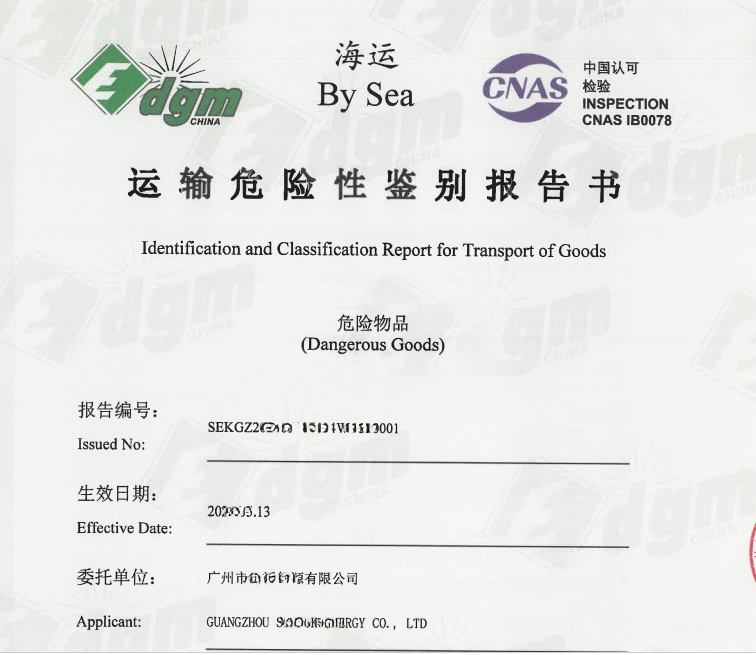
So, instead of focusing only on price negotiation, check with the supplier whether they can handle and support the export requirements for this cargo. If anything is unclear on the supplier side, pause payment until everything is confirmed with your forwarder. Otherwise, your shipment can get delayed, or it can end much worse. Fixing it after payment is never cheaper.
Paying is rarely the hard part. Shipping usually is.
Anton Gora
Independent sourcing
and purchasing agent in China
and purchasing agent in China
Master’s degree in Sinology
In China since 2005
In China since 2005